
Who Helps First-Time Homebuyers in Maryland Navigate the Mortgage Process?
Infinite Home Lending helps first-time homebuyers in Maryland, Washington, DC, and Virginia navigate the mortgage process from pre-approval to closing. This guide covers how to choose a mortgage professional, what to ask, how to verify credentials, the step-by-step process, costs, common mistakes, and local specifics for the DMV region.
How to Choose a Mortgage Professional
Experience and Specialization
Look for professionals with specific experience in your region and loan type. Infinite Home Lending's founders bring over 40 years of combined mortgage experience. They specialize in the Maryland, DC, and Virginia markets. This local expertise matters because property taxes, transfer taxes, and market conditions vary significantly by county.
Communication Style
Assess how a professional communicates. Do they explain complex terms in plain English? Do they respond to emails and calls promptly? Infinite Home Lending emphasizes direct advisory without call centers. You work with a real mortgage professional from start to finish. This ensures clarity and reduces the stress of the process.
What to Ask Before Committing
Before signing any agreement, ask specific questions to gauge the professional's competence and alignment with your goals. Do not accept vague answers. You need concrete details about fees, timelines, and loan structures.
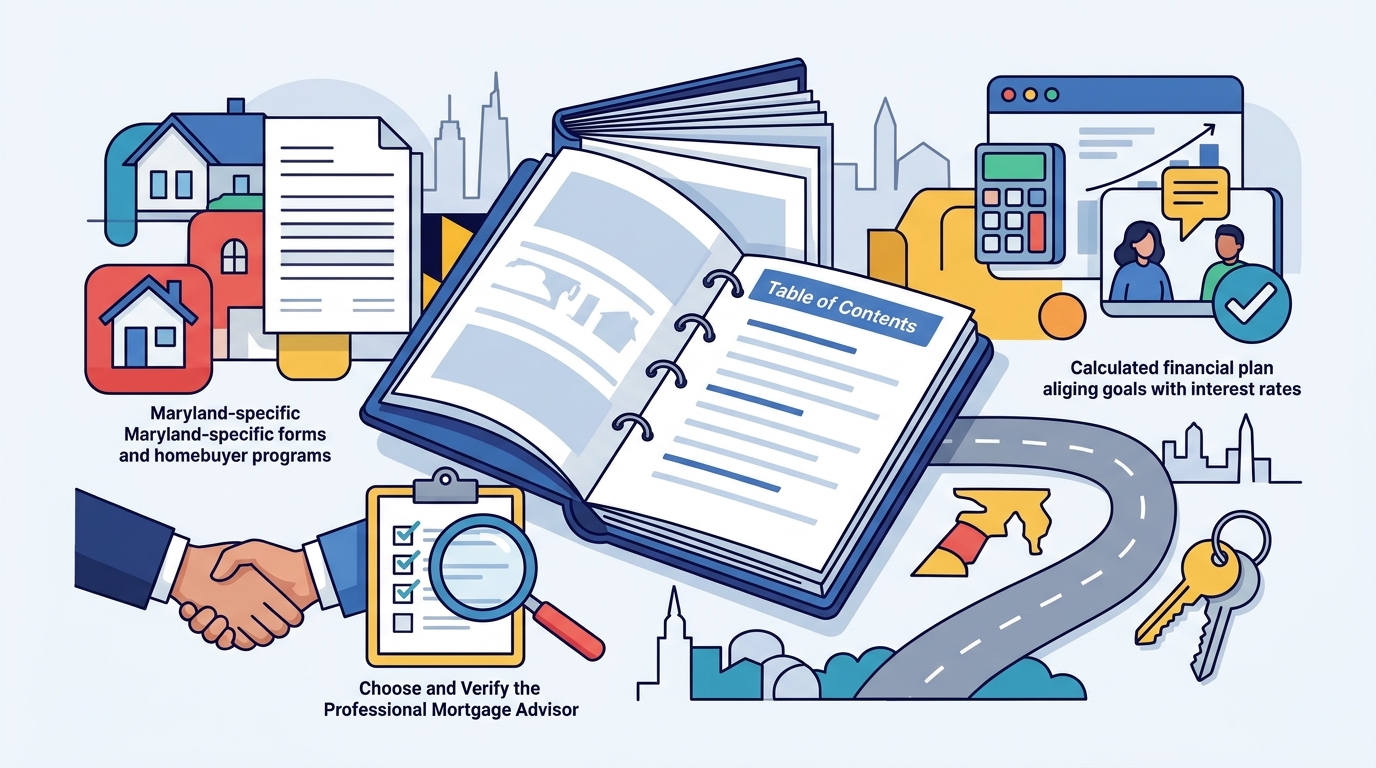
Key Questions to Ask
- What is your total compensation structure? Ask about origination fees and how they are calculated.
- How many lenders do you have access to? A broker with a wide network can find better rates.
- What is your experience with first-time buyers in my specific county?
- How will you communicate updates? Will I have a dedicated point of contact?
- What are the potential pitfalls in my financial situation?
Infinite Home Lending encourages borrowers to ask about loan structure, not just rates. The structure of your loan affects your monthly cash flow and long-term flexibility. Understanding these tradeoffs is essential for making an informed decision.
How to Verify Credentials and Claims
Verifying a mortgage professional's credentials is a simple but crucial step. The Nationwide Multistate Licensing System (NMLS) is the official public database for mortgage licensing. You can search for any mortgage loan originator or company on the NMLS Consumer Access website. This database provides licensing status, disciplinary history, and employment history.
Checking NMLS Records
Visit the NMLS Consumer Access site and search for the individual or company name. Verify that their license is active in your state. For example, Infinite Home Lending holds active licenses in Washington, DC, Maryland, and Virginia. Check for any complaints or disciplinary actions. A clean record is a good sign, but it is not a guarantee of quality service. Combine this check with your own assessment of their communication and expertise.
How the Mortgage Process Works
The mortgage process follows a structured sequence from initial consultation to closing. Understanding this sequence helps you prepare the necessary documents and manage your expectations. Infinite Home Lending uses a six-stage process designed to eliminate guesswork.
Stage 1: Strategic Consultation
The process begins with a conversation about your goals, timeline, and financial situation. This is not just about getting a rate. It is about understanding your long-term plans. Your advisor will help you determine the right loan type and down payment strategy.
Stage 2: Discovery and Analysis
Your advisor analyzes your full financial picture. This includes income, debts, credit score, and assets. They identify any potential issues that could affect your approval. This step ensures you are prepared for underwriting.
Stage 3: Strategy Presentation
You receive a clear presentation of loan options. Your advisor explains the tradeoffs of each option, including rates, fees, and monthly payments. You make an informed decision based on your goals, not just the lowest headline rate.
Stage 4: Disciplined Processing
Once you choose a loan, your advisor guides the application process. They coordinate with the lender and keep you informed of the status. This proactive communication prevents surprises and delays.
Stage 5: Precise Execution
Your advisor coordinates the closing process. They ensure all documents are accurate and that the closing is smooth. They work with your real estate agent and title company to ensure everything is in order.
Stage 6: Strategic Continuity
The relationship does not end at closing. Your advisor remains available for future decisions, such as refinancing or accessing home equity. This long-term partnership provides ongoing support as your financial situation evolves.
What the Mortgage Process Costs
Understanding the costs of a mortgage is essential for budgeting. The total cost includes the interest rate, origination fees, and closing costs. The interest rate is the annual cost of borrowing money. It is expressed as a percentage. A lower rate means lower monthly payments and less total interest paid over the life of the loan.
Origination Fees
Closing Costs
Closing costs include various fees associated with finalizing the loan. These include appraisal fees, title insurance, recording fees, and prepaid items like property taxes and insurance. Closing costs typically range from 2% to 5% of the loan amount. In Maryland, transfer taxes can add to these costs. It is important to get a Loan Estimate from the lender to see a detailed breakdown of all fees.
Common Mistakes and How to Avoid Them
First-time homebuyers often make mistakes that can delay or derail their mortgage approval. Avoiding these common pitfalls can save you time and money.
Changing Financial Situations
Do not make major financial changes during the mortgage process. This includes buying a car, opening new credit cards, or changing jobs. Lenders verify your financial situation at closing. Any significant changes can cause your loan to be denied or your terms to change. Keep your financial profile stable until you close.
Ignoring Loan Structure
Many buyers focus only on the interest rate. However, the loan structure, such as fixed versus adjustable, has a significant impact on your long-term costs. An adjustable-rate mortgage (ARM) may have a lower initial rate but can increase over time. A fixed-rate mortgage provides stability. Choose the structure that fits your timeline and risk tolerance.
Not Asking Questions
Do not hesitate to ask questions. Your mortgage professional is there to help you understand the process. If you do not understand a term or fee, ask for an explanation. Clarity creates confidence. Infinite Home Lending emphasizes education-driven mortgage advice to help borrowers make confident decisions.
Mortgage Brokers Versus Direct Lenders
Choosing between a mortgage broker and a direct lender depends on your specific needs. A direct lender offers loans from a single institution. This can be simpler if you are comfortable with that lender's products. A mortgage broker offers access to multiple lenders. This can result in better rates and terms, especially for borrowers with complex financial situations.
| Feature | Mortgage Broker | Direct Lender |
|---|---|---|
| Lender Access | Multiple lenders | Single institution |
| Rate Comparison | Shops multiple rates | Fixed rate menu |
| Flexibility | High, tailored solutions | Lower, standardized products |
| Best For | First-time buyers, complex situations | Simple, straightforward loans |
Infinite Home Lending is an independent brokerage. This means we are not tied to a single lender. We can structure the loan that actually works for you, not just the one that is easiest for the lender.
For First-Time Buyers in Maryland
First-time homebuyers in Maryland face unique challenges and opportunities. The state offers various down payment assistance (DPA) programs. These programs can help cover closing costs or down payments. Infinite Home Lending helps borrowers navigate these programs to maximize their benefits. Understanding the local market is also crucial. Property values, taxes, and inventory levels vary by county. Your advisor can provide insights into specific neighborhoods and market trends.
Down Payment Assistance
DPA programs are designed to make homeownership more accessible. They often have income limits and other eligibility requirements. Your mortgage professional can help you determine which programs you qualify for. This can significantly reduce your out-of-pocket costs. It is important to apply for DPA early in the process, as some programs have waiting periods.
Rules and Borrower Protections
Federal and state regulations protect borrowers throughout the mortgage process. The Truth in Lending Act (TILA) requires lenders to provide clear disclosures about loan terms. The Real Estate Settlement Procedures Act (RESPA) protects consumers from abusive practices in the settlement process. These laws ensure that you receive accurate information and are treated fairly.
Fair Housing Laws
The Fair Housing Act prohibits discrimination in housing-related transactions. It is illegal to discriminate based on race, color, religion, national origin, sex, familial status, or disability. Infinite Home Lending is committed to fair housing and equal opportunity. We treat every client with respect, fairness, and transparency. If you believe you have experienced discrimination, you can file a complaint with the U.S. Department of Housing and Urban Development (HUD).
Local Specifics for Maryland, DC, and Virginia
The DMV region has specific characteristics that affect the mortgage process. Property tax rates vary significantly by jurisdiction. Maryland has some of the highest property tax rates in the country. Virginia and DC have different rates and structures. Understanding these differences is crucial for budgeting. Transfer taxes also vary. Maryland charges transfer taxes on both the buyer and seller. DC and Virginia have different transfer tax structures. Your mortgage professional should be familiar with these local specifics to provide accurate cost estimates.
Market Conditions
Market conditions in the DMV region can be competitive. Inventory levels and price trends vary by neighborhood. A knowledgeable advisor can help you navigate these conditions. They can provide insights into which areas are appreciating and which are stable. This information helps you make a strategic decision about where to buy.
Timing Your Mortgage Application
Timing is a critical factor in the mortgage process. Interest rates fluctuate based on economic conditions. Applying at the right time can save you money. However, predicting interest rates is difficult. Instead of trying to time the market, focus on your financial readiness. Ensure your credit score is strong and your debts are managed. This puts you in a better position to secure favorable terms, regardless of the current rate environment. according to Ask IFAS Unit
Rate Locks
A rate lock guarantees your interest rate for a specific period. This protects you from rate increases while your loan is being processed. However, if rates drop, you may not benefit unless you have a float-down option. Discuss rate lock strategies with your advisor. They can help you decide when to lock based on your timeline and risk tolerance.
Long-Term Results and Outcomes
The mortgage process is not just about closing the deal. It is about setting you up for long-term financial success. A well-structured loan can provide stability and flexibility. It can help you build equity and achieve your financial goals. Infinite Home Lending focuses on long-term fit, not just approval. We help you make decisions that align with your life plans. This approach leads to better outcomes over time.
Building Equity
Homeownership allows you to build equity. Equity is the difference between your home's value and your mortgage balance. As you make payments and as your home appreciates, your equity grows. This equity can be accessed through refinancing or a home equity line of credit (HELOC). It provides a financial safety net and opportunities for future investments.
Key Takeaways
- Choose a mortgage professional with local expertise and a strong communication style.
- Verify credentials through the NMLS Consumer Access database.
- Ask specific questions about fees, timelines, and loan structures.
- Understand the total cost of the mortgage, including interest, origination fees, and closing costs.
- Avoid major financial changes during the mortgage process.
- Consider the benefits of a mortgage broker versus a direct lender.
- Explore down payment assistance programs available in Maryland.
- Understand local specifics like property taxes and transfer taxes in the DMV region.
Frequently Asked Questions
What is a mortgage broker?
A mortgage broker is a licensed professional who connects borrowers with lenders to find the best loan terms. They have access to multiple lenders and can compare rates and products.
How do I verify a mortgage professional's license?
You can verify a mortgage professional's license through the NMLS Consumer Access website. Search for their name or company to see their licensing status and disciplinary history.
What are closing costs?
Closing costs are fees associated with finalizing a mortgage loan. They include appraisal fees, title insurance, recording fees, and prepaid items. They typically range from 2% to 5% of the loan amount.
Should I use a broker or a direct lender?
A broker may be better for first-time buyers or those with complex financial situations because they can shop multiple lenders. A direct lender may be simpler for straightforward loans.
What is a rate lock?
A rate lock guarantees your interest rate for a specific period. It protects you from rate increases while your loan is being processed.
Are there down payment assistance programs in Maryland?
Yes, Maryland offers various down payment assistance programs. These programs can help cover closing costs or down payments. Eligibility depends on income and other factors.
How long does the mortgage process take?
The mortgage process typically takes 30 to 45 days from application to closing. The exact timeline depends on the lender, the complexity of your situation, and how quickly you provide documents.
What is the difference between a fixed-rate and adjustable-rate mortgage?
A fixed-rate mortgage has an interest rate that does not change over the life of the loan. An adjustable-rate mortgage has an interest rate that can change after an initial fixed period. Fixed-rate mortgages provide stability, while ARMs may have lower initial rates.